Chapter 10: Surface Mechanochemistry
This issue is addressed in this chapter by discussing how conventional ultrahigh vacuum surface-sensitive techniques can be adapted to study interfacial reactions induced by sliding.
Filter by:
This issue is addressed in this chapter by discussing how conventional ultrahigh vacuum surface-sensitive techniques can be adapted to study interfacial reactions induced by sliding.
This feature article discusses some examples of soft-mechanochemistry processes encountered in nature.
This article reviews the history of mechanochemistry and explores how digitalisation, robotics and AI could improve its reproducibility and scalability.
This column explores the growth of mechanochemistry and ask if academic interest will translate to industry.
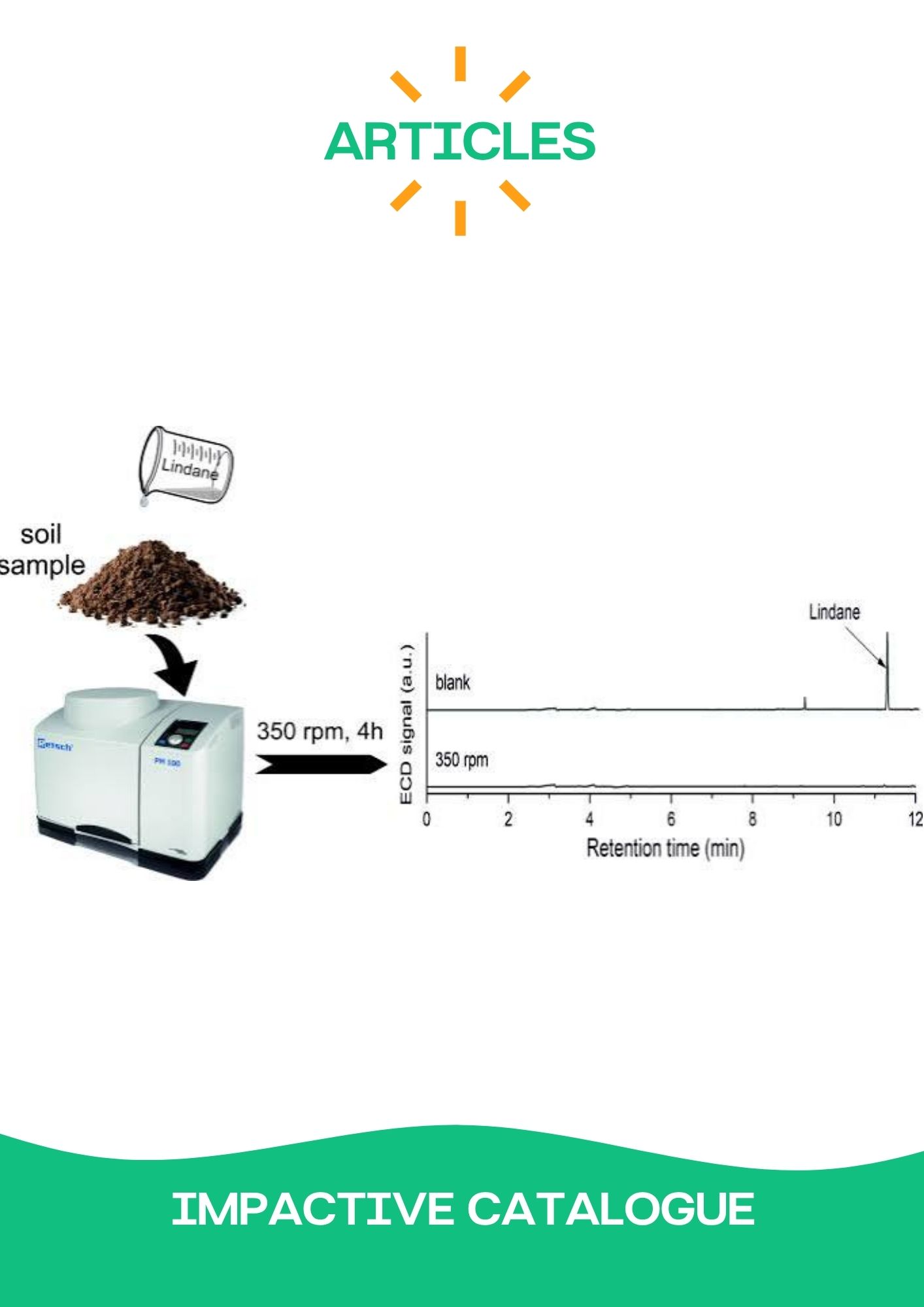
This study investigates mechanochemical lindane removal from river sediment in Serbia’s Pannonian Plain’s Tamiš River and forest soil from Golija National Park.
This Greening Chemistry column challenges resistance to mechanochemistry’s broader adoption by synthetic chemists.
This paper studies the preparation of perillartine and N-tert-butyl-α-phenylnitrone (PBN) by vibrating and planetary ball-milling.
This paper investigates the effect of positional isomerism on the coamorphous formation and associated physicochemical properties.
This webinar introduces the basic concepts of mechanochemistry, providing an overview of different reactor/milling techniques with a strong focus on scalable technologies.
This work investigates the scale-up of paracetamol-oxalic acid cocrystals using a range of milling technologies.